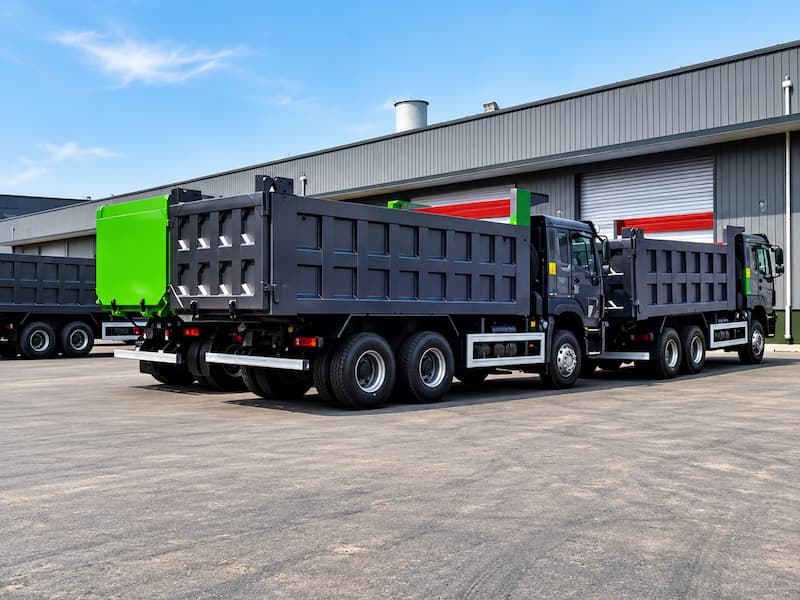



The recruitment of industrial employees is a serious matter that must be planned as appropriate workforce may directly impact productivity, safety, quality, and project schedules. Industrial firms require employees with appropriate technical skills, experience, and knowledge of safety as well as documentation of their tasks. The requirements may also differ according to the industry, project size, working conditions, work shift and equipment. Collaboration with an industrial manpower supplier KSA can assist companies to find workers based on their necessary skills, experience, and places of deployment.
Companies should consider more than the number of workers available before making hiring decisions. The candidates must all be evaluated based on the real needs of the project. Businesses can create a reliable workforce by checking the past experience, technical qualifications, safety knowledge, documentation, availability, physical suitability, and work history. Systematic method of Hiring Industrial Workers in Saudi Arabia also enables the companies to minimize the risks of recruiting workers as well as to make sure that the workers are more likely to be suited to the duties that they are designated.
Why Choosing the Right Industrial Workforce Matters
The industry requires efficient and competent employees to ensure that there is a smooth day-to-day running of industrial projects. Lack of appropriate staff may intervene with the productivity, workload and lead to project delays. Supervision and training of workers may also be necessary in case they lack the relevant experience.
The appropriate workforce must be chosen based on the requirements of the project. The companies need to look at the necessary trades, skills, equipment, working environment, duration of the project and the number of workers required. Effective workforce planning will facilitate enhanced productivity, work site safety, quality management, and timetable of the project.
What Should Companies Check Before Hiring Industrial Workers?
Relevant Industrial Experience
Past experience is also a significant aspect in choice of industrial workers. Companies ought to establish whether or not candidates have experience in undertaking similar projects or in the same industrial environment.
Previous responsibilities, the type of projects, exposure to equipment and years of experience can be checked by employers. Relevant experience can assist workers to comprehend their responsibilities faster and to adjust to similar working procedures.
Technical Skills and Job Qualifications
Employees are expected to possess the technical skills needed in their respective jobs. Electricians, welders, fabricators, mechanics, equipment operators, technicians, maintenance workers or other skilled personnel may be required depending on the project.
Companies ought to check on the related trade qualifications, technical certifications, licenses, and training records where necessary. The qualifications ought to be based on the duties of the job as opposed to being looked at independently of the job needs.
Safety Training and Awareness
One of the big factors in industrial settings is safety. Workers can be involved in running machinery, operating equipment, working around vehicles, or be engaged in the work in harsh site conditions.
Companies should also verify that workers are familiar with fundamental safety workplace practices and have appropriate safety training before they are employed. The workers are expected to know how to use the necessary protective equipment, how to work in accordance with the instructions on the site, how to recognize hazards and how to act in case of unsafe conditions.
Workforce Availability and Deployment Time
Firms need to ensure that employees can be put in place and that they have the necessary number of staff. This is especially significant when there are set start dates or set completion timelines in projects.
Employers ought to explain how many workers they need, when they will be deployed, the duration of the project, the shifts and how the manpower requirement may be altered. An employee supplier must, in an ideal scenario, be able to react when extra staff is required or a replacement is necessary.
Documentation and Employment Compliance
Reviewing of proper documentation should precede deployment of workers. The applicable identity, employment, work authorization, qualification, certification and permit-related records should be verified by companies based on the position and employment arrangement.
Having proper records can assist organizations in avoiding needless administrative issues and also make sure that employees are properly registered to work in their respective duties.
Physical Fitness and Job Suitability
There are some industrial jobs that demand workers to work under harsh conditions. Some of the jobs might include long shifts, outdoor work, heat, standing work, lifting, climbing or any other physically demanding work.
Companies ought to be able to scrutinize whether or not candidates match the real job demands and conditions of the job. Any evaluation must be pertinent to the real job duties and relevant job standards.
Previous Project Performance
The history of projects accomplished by a candidate may tell a lot regarding the reliability and suitability. Businesses have the ability to check past assignments, duties, attendance, references and verifiable work history.
Knowledge of the past performance of a worker can assist the employers in determining those candidates who are more aligned to their present project needs.
How Can Companies Match Workers to Their Industrial Project Requirements?
Successful manpower planning must commence prior to recruitment. It is important that companies identify precisely what the project needs.
An actual procedure comprises:
- Determining the amount of workers needed.
- Finding out particular trades and skill levels.
- Determining project duration
- Understanding shift and site requirements
- Fitting job with worker experience.
- Checking of qualification and documents.
This strategy makes Hiring Industrial Workers in Saudi Arabia more systematic and assists companies not to choose the workers, just because they are available.
What Should Companies Ask a Workforce Provider Before Hiring?
Companies ought to request questions concerning workforce provision and recruitment process before deciding on a workforce provider. Important questions include:
- What categories of industrial workers are available?
- How are qualifications and experience verified?
- How fast are the workers deployable?
- Is it possible to increase the number of manpower in case of change in project requirements?
- What happens if a worker needs to be replaced?
- What are the post-deployment services?
Categorical responses can assist companies in determining whether the provider will be able to sustain them in their operation needs.
How Can Companies Reduce Risks When Hiring Industrial Workers?
Companies can reduce workforce-related risks by following a consistent hiring and verification process. Before deployment, relevant documents and qualifications ought to be verified and job responsibilities ought to be clearly stated.
The employers are also expected to verify the safety requirements, past experience, and also to put in place communication procedures with the workforce provider. A prominent replacement procedure may come in handy especially when an employee is not available or fails to deliver as per the project expectations.
Frequent communication between the company, employees, supervisors, and workforce provider may also facilitate the problems early on, and improve the organization of the workforce.
Why Is the Right Workforce Partner Important for Industrial Projects?
The appropriate workforce partner could help to minimize the administrative burden that comes with sourcing and coordination industrial employees. The flexibility of workforce may be of importance because companies might need various types of workers at various project phases.
An efficient provider would be able to assist businesses in sourcing workers, verifying their qualifications, deploying them, replacing them, and altering manpower. This gives businesses the ability to concentrate more on their project related projects and still have access to the right talent.
It should aim at identifying workers whose experience, skills, availability, and suitability should be in line with the actual project instead of just filling the vacancies as fast as possible.
Conclusion:
Companies should carefully evaluate experience, technical qualifications, safety awareness, documentation, availability, physical suitability, and previous project performance before selecting industrial workers. The recruitment process can be improved with the help of clear job descriptions and detailed manpower planning that contribute to finding the right candidates that meet their business needs. Recruiting Industrial Workers in Saudi Arabia must thus be based on a systematic evaluation as opposed to just concentrating on the availability of workforce.
An established industrial manpower provider, KSA, can also make sourcing and deployment of workforce easier. To ensure that the information that is sent to the company is relevant and clearly expressed, companies should provide clear communication of their project requirements, check the information and have procedures in place to communicate and replace information. With appropriate planning and review of workers, companies can create a stable workforce that enhances productivity, safety, quality and punctual delivery of projects.
Frequently Asked Questions
What qualifications should industrial workers have in Saudi Arabia?
Qualifications vary according to position. Employees might need pertinent trade skills, technical certifications, licenses, safety training, and prior industrial experience.
How can companies verify the experience of industrial workers?
Businesses are able to examine the past history of projects, employment history, job description, qualification and references and other verifiable data pertaining to the job.
What documents should companies check before hiring industrial workers?
The applicable identity, employment, work authorization, qualification, certification, and permit-related documents should be reviewed by companies depending on the role and employment arrangement.
How many workers does an industrial project typically require?
No definite number. The requirements vary depending upon the size, scope, duration, work schedule, trades that are required, conditions in the site, and the stage of the project.
Can industrial workers be hired for short-term projects in Saudi Arabia?
The labor needs may depend on the duration of projects. Corporations need to identify the necessary timeframe and make sure the employment and deployment set-up complies with relevant demands.
Why is safety training important when hiring industrial workers?
Safety training assists workers to learn the hazards in the workplace, protective actions, emergency response, and site regulations, which are crucial in the challenging industrial settings.
How can companies find skilled industrial workers quickly in Saudi Arabia?
Firms ought to be explicit on their manpower needs and skills they need during recruitment. An appropriate workforce provider may help with sourcing and verification and deployment as per requirements of the project.