

Choosing the right contractor is a critical step in delivering a successful construction project in Saudi Arabia. Firms must not just accept quotes and company profiles of a general company and must evaluate the expertise, resources, workforce, equipment, quality systems and past experience of a contractor carefully. Strong technical construction capabilities help contractors manage complex requirements , coordinate engineering activities, maintain quality , and complete work according to the planned schedule . Businesses seeking general contracting services Saudi Arabia should therefore establish clear technical criteria before selecting a contractor.
Therefore, a systematic review can enable companies to know which contractors will meet the unique demand of their projects. The presence of experience in the types of similar projects, capable technical staff as well as appropriate construction equipment, effective means of execution and dependable documentation can serve as good indication of competence. An overview of these areas assists businesses in determining the possible risks that may occur during construction as well. Rather than merely basing his or her choice on price or reputation, objective information will allow companies to compare the contractors and pick the one that possesses the resources and expertise needed to deliver the project successfully.
Why Technical Capability Matters When Selecting a Contractor
Technical capability has direct impact on quality of construction, productivity, schedules of the project and risk management. Contractors who possess the appropriate expertise are in a better position to comprehend drawings, specifications, construction techniques as well as site conditions.
In the case of complicated projects, technical flaws may lead to rework, delays, wastage of materials, coordination issue and extra expenses. Effective coordination among the engineering, procurement, project management and construction teams are also supported by strong technical construction capabilities.
What Technical Capabilities Should Companies Evaluate?
Relevant Construction Experience
Similar projects should be reviewed by companies based on their size, scope, complexity and technical requirements. Practical knowledge can be exhibited through experience in industrial, commercial, infrastructure, or civil projects.
Another aspect that businesses should look at in terms of past performance of projects is the completion schedule, quality performance, technical issues, and change management capabilities of the contractor.
Engineering and Design Expertise
Assess engineering resources and technical disciplines of the contractor. Depending on the project, qualified civil, structural, mechanical, electrical and other specialists might be necessary.
The companies are also expected to evaluate the design coordination capabilities, technical drawings, specifications, constructability reviews, shop drawings and the value engineering capabilities.
Construction Methods and Execution Planning
An effective contractor ought to offer a clear method of construction. Assess sequencing of work, planning of projects, allocation of resources, site operations, as well as suggested strategies of dealing with technical risks.
The methodology is to be project specific and not a general document applicable to all tenders.
Skilled Workforce and Technical Personnel
Verify the credentials and experience of project managers, engineers, supervisors, technicians and skilled tradespeople. The companies must ensure that the main technical staffs are experienced in similar projects and will be available during the necessary project phases.
How Can Companies Evaluate a Contractor’s Equipment and Resources?
Construction Equipment Availability
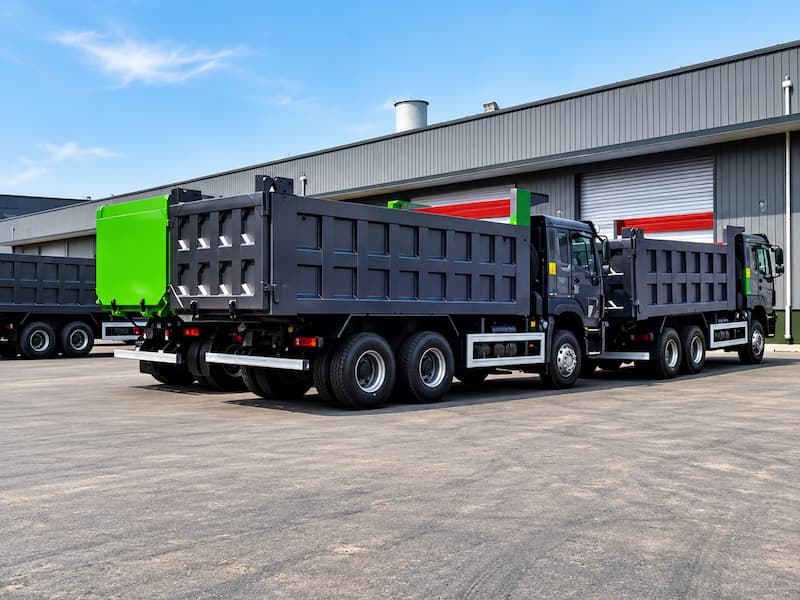
Check on the availability of the machinery and tools needed in the project by the contractor. This may consist of cranes, excavators, loaders, compactors, concrete equipment, lifting equipment, surveying tools and specialized machinery depending on the scope.
The equipment should be available as per the proposed project plan to prevent unwarranted delays.
Equipment Condition and Maintenance
The number of equipment does not show the ability. Companies should consider equipment condition, inspection records, maintenance schedules, reliability, and availability.
Machinery which is well maintained can minimize breakdown and enable the contractors to stay consistent in their productivity in the course of site operations.
Technology and Digital Construction Tools
Current projects might need CAD, BIM, project management software, electronic documentation, survey software, and progress-monitoring technologies.
Companies ought to evaluate the technical infrastructure and staffing of the contractor to utilize such tools successfully to coordinate, report, review design, and monitor the project.
How Should Companies Assess Quality and Technical Standards?
Quality Control Procedures
Examine the quality control system of the contractor, such as inspection and test, quality, material verification, non-conformance, and correction of defects.
There must be a robust quality process that encompasses all the activities that include the procurement of materials, up to the installation, inspection, testing and hand over.
Technical Documentation
Such crucial technical documents can be method statements, inspection and test plans, shop drawings, material submittals, technical reports and as-built drawings.
The analysis of these documents can assist companies in knowing how effectively the contractor is organized in the way of managing technical information and the work on the site.
Standards and Compliance
Contractors are expected to be aware of the relevant construction standards, project specifications, regulatory measures and the necessary certifications.
Companies ought to ensure that compliance is integrated in daily construction work, as opposed to being noticed at the end of the projects when the project is being inspected.
How Can Companies Verify a Contractor’s Technical Experience?
Companies ought to confirm the details in company profiles and proposals. Ask about projects done, portfolios, case studies and customer references.
Past customers can give valuable information where necessary regarding quality, technical performance, communication, schedule management and problem solving. This check-up assists in ensuring that the technical construction capabilities that the contractor is proclaiming is underpinned by the project experience.
How Should Companies Compare Contractors’ Technical Proposals?
Companies ought to consider proposals based on similar requirements, which include:
- Knowledge on scope of project.
- Construction methodology
- Engineering resources
- Qualified manpower
- Equipment availability
- Project schedule
- Quality procedures
- Risk management
- Technical documentation
- Exclusions and assumptions
Technical comparison will be more transparent with the same criteria applied to all bidders and will lower the chances of a contractor being chosen due to price alone.
Common Mistakes When Assessing Contractor Technical Capabilities
The contractor selection process can be undermined by a number of mistakes. The lowest quotation can be used as a sole focus, which can result in technical risks and costs incurred in the future of the project.
Businesses also should not depend on the experience in the industry but rather on the experience related to the project. Other typical errors are:
- Not verifying technical personnel
- Ignoring equipment availability
- Overlooking maintenance records
- Not going through technical documents.
- Failure to make reference checks of past projects.
- Ignoring project-specific requirements
- Embracing generic methodologies of construction.
A project-based assessment offers a better accurate insight into the ability of contractors.
Practical Checklist for Evaluating Construction Contractors in KSA
Prior to selecting one, companies must consider:
- Relevant construction experience
- Engineering capability
- Construction methodology
- Qualified workforce
- Equipment and resources
- Quality control systems
- Technical documentation
- Standards and compliance
- Project planning
- Risk management
- References and past performance
This checklist is customizable based on the size of the project, industry, complexity and legal requirements of the contract.
How Can Companies Build a Technical Evaluation Process?
Define Project-Specific Technical Requirements
Begin with the determination of experience , engineering fields, equipment, qualifications of the workforce, standards, documentation and schedule requirements .
Shortlist Contractors Based on Relevant Experience
Choose contractors who have undertaken similar projects and proven to have experience in dealing with similar technical challenges .
Review Technical Proposals and Documentation
Evaluate construction procedures , resource plans, schedules, quality procedures, technical documents and risk controls. Find project-specific information as opposed to generic statements .
Verify Resources and Capabilities
Ensure the availability of proposed engineers, supervisors, equipment, specialist personnel and subcontractors. This assists in making sure that resources offered in bidding, can indeed be implemented.
Compare Findings Before Final Selection
Lastly, compare all the contractors to the same technical requirements. Then it is possible to take into consideration commercial aspects and combine them with the technical results to facilitate the process of selection.
FAQs
What technical capabilities should companies check before hiring a construction contractor?
The companies are expected to evaluate experience related with relevant experience, engineering expertise, methodology of construction, qualification of workforce, equipment and quality procedures and technical documentation, compliance and project planning.
How can companies verify a contractor’s technical experience?
They are able to consult past projects, case studies, technical portfolios, references and past client reviews where possible.
Why is relevant project experience important when evaluating contractors?
Relevant experience indicates experience with similar technical requirements, construction conditions, complexity of a project and possible challenges.
What technical documents should a construction contractor provide?
Typical documents are method statements, inspection and test plans, shop drawings, material submittals, quality plans, technical reports and as-built documents.
How should companies compare the technical proposals of different contractors?
Use consistent criteria covering scope understanding, methodology, resources, equipment, manpower, schedule, quality, risk management, and technical assumptions.
Should equipment and workforce capabilities be part of contractor evaluation?
Yes. Adequate equipments and staffs are required to ensure construction productivity, quality and schedule performance.
Conclusion
Business organisations ought to evaluate contractors on their real capacity to deliver on the project needs and not just basing on the price, reputation or the number of projects that they have carried out. The evaluation should include relevant experience, engineering know-how, construction practices, competent staff, equipment, quality programs, technical documentation and adherence. A systematic approach assists in determining possible technical risks prior to the commencement of work and gives a better platform to compare various contractors.
To companies that choose a construction contractor Saudi Arabia, checking the technical construction capacities are a significant aspect of responsible project planning. The companies are able to make more informed procurement decisions by defining project-specific requirements, examining technical proposals, and checking resources as well as by verifying previous performance. This strategy can underpin better quality assurance, resource management, enhance coordination, and enhance reliability in construction throughout the project lifecycle.