


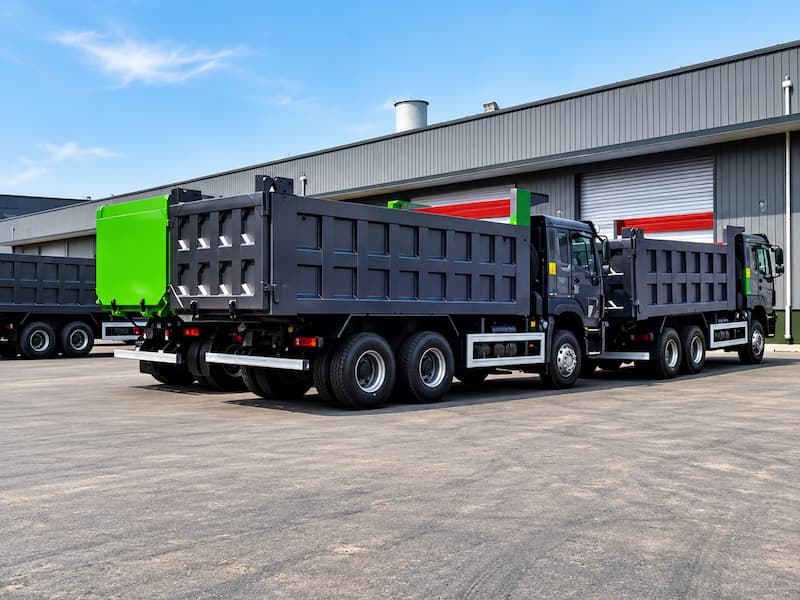
Construction projects depend on the timely movement of materials, machinery, tools, and equipment. Transportation may be delayed due to lack of qualified drivers at the appropriate moment even in the presence of vehicles. The lack of drivers, inappropriate shift scheduling, inappropriate assignment, sudden absences, and unrealistic timeframes of deliveries can impose vehicle idle time and interrupt the operations of the project. Proper planning of construction drivers assists contractors in deciding the number of drivers necessary, and placing them in the right vehicle and managing their availability to the project timetables. In firms operating big construction projects, equipment operator manpower Saudi Arabia can also be relied upon to facilitate smooth equipment and transport operations. Taking into consideration the driver availability as a significant aspect of logistics planning, the contractor will be able to eliminate the needless delays and enhance the productivity of the site in a day.
Construction schedules are often altered due to weather, traffic, availability of equipment, deliveries of materials and each time the priorities of the project change. This is because it is particularly important to have flexible construction driver planning. Contractors should have a system capable of relying to changes that are not expected without impacting the other assignments of the transport. Making manpower predictions, ensuring qualifications, shift arrangements, providing backup cover, and tracking transport operations can assist in developing a more dependable workforce framework. Through such practices, the contractors will be able to maintain high level of performance of heavy vehicles, and contribute to safer and more predictable project execution.
Why Does Heavy Driver Planning Matter for Construction Transport?
Heavy drivers are essential for moving construction materials and equipment between suppliers, yards, and project sites. A vehicle cannot accomplish its task without a skilled driver and, therefore, the availability of drivers is directly related to transportation performance.
Some of the typical reasons that cause transport delays include shortage of drivers, absenteeism, traffic congestion, vehicle breakdown, lack of proper communication as well as wrong delivery schedules. These problems may lead to equipment downtimes, missed delivery times, overtime costs, as well as disruption of the activities of the sites.
Good construction driver planning is one that relates the manpower available to the real needs of the project. Contractors can predict the needs based on the project stages, the number of vehicles, routes, and working hours instead of scheduling drivers when a transport need emerges.
How Should Contractors Estimate Heavy Driver Requirements?
Identify Vehicle and Transport Requirements
The first step of the contractors would be to find out the quantity and class of heavy vehicles needed. The trucks, trailers, tankers, dump trucks and specialized vehicles might require drivers who have varying experience and qualification.
Calculate Drivers Based on Shifts and Routes
Working shifts, route length, loading and unloading time, travelling ranges and needed rest should be taken into consideration as driver requirements. The same car might need a number of drivers due to various shifts.
Consider Peak Project Periods
The excavation, equipment mobilization, concrete works or significant material deliveries may require an increase in transport demand. These periods should be planned beforehand; contractors must make sure they get more manpower.
Plan Backup Driver Availability
Unplanned absences may be a setback on the transport schedules. Having qualified backup drivers will ensure that vehicles with critical requirements are not idle.
How Can Contractors Match Drivers With Heavy Vehicle Requirements?
Check Relevant Driving Experience
The drivers are supposed to possess the appropriate experience in regard to the vehicle they are going to drive. Assignments should take into account experience using heavy trucks, trailers or specialized vehicles.
Check the Necessary licences and documentation.
Before allocating drivers, the contractors ought to ensure that they have the licenses, identity documents, training documents, and any other documentation they may need.
Match Driver Skills With Vehicle Types
The driver who had experience with a certain kind of heavy vehicle might not be appropriate to work with another. They should be assigned in regards to the vehicle configuration, type of load and conditions.
Take into consideration Experience in Industry and Construction Sites.
Construction sites can be characterized by temporary roads, uneven surface, limited access and moving equipment. Drivers who are accustomed to these environments will be able to adjust better to the conditions of the sites.
How Can Businesses Coordinate Drivers With Transport Schedules?
Align Driver Shifts With Delivery Windows
Shifts of the drivers should be synchronized with the supplier deliveries, the requirements of the materials, and site operating hours. Proper timing reduces unnecessary waiting.
Coordinate Drivers having Loading and Unloading activities.
Coordination should be done with the loading equipment, site crews and receiving areas to avoid unnecessary waiting of vehicles.
Allow Time for Traffic and Site Access
Traffic, checkpoints, restricted access, and challenging access routes to sites should be factored in the schedules. Owing to unrealistic travel estimates, delays can be generated very easily.
Avoid Overlapping Vehicle Assignments
The schedule must be centralized and it must clearly state every driver, vehicle, route, shift and delivery needs to ensure there is no overlapping.
How Can Contractors Manage Heavy Driver Coverage Across Multiple Sites?
Concentrate on Driver and Vehicle Scheduling.
Centralized schedule provides the managers with an insight into the availability of drivers and vehicles on various projects. This facilitates the allocation of resources.
Track Driver Availability
Recent assignments, hours of work, leave, rest and anticipated availability should be shown in records.
Coordinate Inter-Site Transport Requirements
In case of several locations requiring drivers simultaneously, managers can put an assignment on a priority based on a project and urgency of transportation.
Maintain Replacement Coverage
Important assignments should have replacement drivers in order to prevent the interruption of important transportation activities due to unexpected absence of drivers.
What Should Contractors Do When Transport Schedules Change?
Respond to Equipment or Vehicle Delays
When there is unavailability of vehicles or equipments, the managers must find alternative vehicles or competent drivers.
Reassign Available Drivers
Proper availability record will enable the managers to transfer the qualified drivers without causing a conflict at other points.
Inform about the Change in Schedules promptly.
Any update to instructions should be provided to drivers, site supervisors, logistics teams and equipment operators as soon as they happen.
Keep Transport Plans up to date.
The plans of daily transportation should be reviewed every time there is a change in routes, availability of vehicles, delivery needs or the priorities of the project.
How Can Technology Improve Heavy Driver Planning?
Digital Driver Scheduling
Digital scheduling systems offer an overall perspective of drivers, vehicles, shifts, and assignments.
Vehicle and Route Tracking
Tracking enables managers to keep track of the movement of the vehicles and also those that might be delayed in delivery.
Roll Call and Night Watch.
Electronic attendance records assist in tracking absences, reporting time, working hours and overtime.
Transport Performance Records
Capturing the time of delivery, waiting time, completed trips and delays will assist contractors to determine common transport issues.
What Factors Should Businesses Consider When Sourcing Heavy Drivers?
Driver Experience and Qualifications
Review licence, experience and ability of a vehicle and exposure to a site.
Workforce Availability
Make sure that drivers are capable of sustaining the necessary shifts, locations and project period.
Safety Awareness
Drivers need to know the rules of sites and speed limits, inspection of vehicles, weight of vehicles, and safe working procedures.
Replacement and Backup Support
A good source of workforce must be capable of furnishing substitution drivers who are qualified when the need arises.
Provider Coordination and Responsiveness
The fast communication will be essential in cases where the contractors require replacements, more drivers, or adjustment of the workforce needs.
How Can Better Heavy Driver Planning Reduce Project Costs?
Improved planning of construction drivers will help to cut down on the idle time of vehicles used and avoidance of delivery windows. By scheduling drivers by organizing them based on the real needs, vehicles are not spending a lot of time waiting to be picked up by the operators or instructions given to them by the sites.
Effective planning might also help minimize the overtime, standby costs, unnecessary travels, and poor use of the vehicles. By having materials and equipment delivered on schedule, the site teams will be able to continue with scheduled activities with fewer disruptions.
Common Heavy Driver Planning Mistakes to Avoid
Contractors should avoid:
- Recruitment of staff without knowing vehicle needs.
- Not taking into account peak project periods.
- Not keeping back up drivers.
- Allotment of drivers without qualification.
- Developing impractical delivery times.
- Senselessness of paying attention to traffic and site access conditions.
- Poor communication between logistics and site teams.
- Making overlapping assignments of vehicles.
- Not updating driver assignments.
- Using old-fashioned records of manpower.
A Practical Heavy Driver Planning Checklist
Contractors are advised to look at:
- Vehicle requirements
- Driver qualifications
- Licenses and documentation
- Shift requirements
- Transport routes
- Delivery schedules
- Requirements of loading and unloading.
- Backup drivers
- Safety requirements
- Communication procedures
- Driver attendance
- Vehicle availability
- Daily schedule monitoring
- Emergency replacement procedures
Conclusion
Effective construction driver planning helps contractors create a more reliable transportation system by connecting qualified drivers with vehicles, routes, shifts, and project requirements. Manpower forecasting will help in eliminating shortages of drivers and qualification checks will see to it that drivers are allocated based on their experiences and the type of vehicle that they should be. Scheduling of driver shifts and loading processes along with traffic and access to the sites can also decrease the waiting time and missed delivery schedules. For projects requiring additional workforce capacity , dependable heavy driver supply KSA can provide valuable support during busy construction phases and changing manpower requirements.
Technology can also enhance the management of the drivers by offering the management with a greater visibility of the schedules, attendance, vehicle movements and transport performance. Combining proper workforce planning, qualified drivers, backup service, effective communication and constant monitoring, contractors can help cut unnecessary delays in transportation and enhance the use of vehicles. It is also managed in a systematic way that allows to regulate the overtime and standby expenses as well as facilitate the more smooth process of the project implementation. Contractors can make construction transportation more predictable, efficient and consistent with overall project goals by revising driver requirements on a regular basis and updating plans as the circumstances of the projects evolve.
FAQs
How can contractors reduce delays caused by driver shortages?
Contractors are able to anticipate manpower demands, track driver availability and schedule the peak time and have qualified back-up drivers.
What should businesses check when hiring heavy drivers?
They ought to check driving license, experience, vehicle specific skills, documentation, safety awareness and availability of shifts necessary.
Why is backup driver coverage important for construction projects?
Backup drivers can aid in preserving transportation operations in case planned drivers are unavailable, absent, or called in by some unexpected circumstances.
How can contractors coordinate heavy drivers with transport schedules?
They ought to match driver shifts with the delivery time, loading, and unloading, with the travel time, and access to the site.
Can technology improve heavy driver scheduling and tracking?
Yes. Online scheduling, tracking of vehicles, attendance record, transport records can enhance visibility, and quick response to changes by managers.