

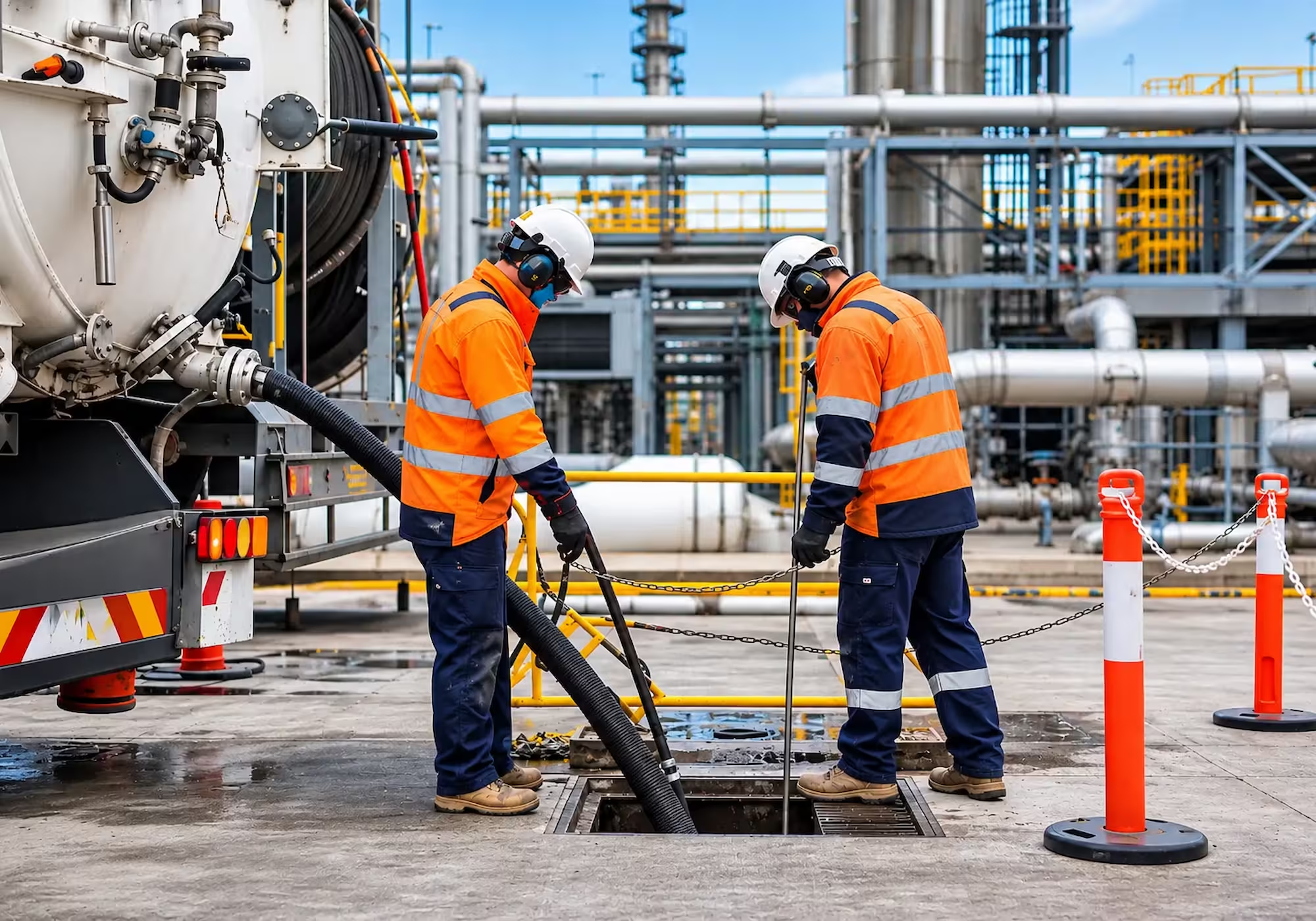
Industrial
facilities must regularly maintain equipment, production systems and critical
infrastructure to ensure safe and reliable operations. shutdown vs turnaround
vs outage is a popular terminology in oil and gas, petrochemical, refining and
manufacturing industries, which is used to refer to various forms of
operational interruptions. Being aware of the distinctions between the shutdown
and turnaround and outage is important to enable businesses to choose
appropriate maintenance strategies, manage the cost of projects and reduce the
production losses.
Each
maintenance project requires proper preparation, skilled manpower and effective
coordination. Professional Industrial Shutdown and Maintenance Support assists
the facilities to plan inspection, equipment repair, replacement and technical
operations and ensure safety and operational efficiency. Understanding the time
when each strategy is required will enable enterprises to deal with the
maintenance needs with more certainty.
What Is an Industrial Shutdown?
Industrial
shutdown is the temporary shut down of equipment, production lines or a whole
facility to do some maintenance, repair, inspection or improvements to the
operation. Knowing industrial shutdown meaning assists companies to identify
maintenance shutdown and unplanned shutdown in production.
A shut down
could be either planned or unplanned. There will be planned activities of
equipment isolation, cleaning, mechanical repairs, piping maintenance and
component replacement. Unplanned shutdowns are due to failures of equipment,
emergency or unsafe working conditions which necessitate immediate action to
safeguard workers and equipment.
What Is Turnaround Maintenance?
Turnaround
maintenance is the process of halting an industrial plant to perform thorough
inspections, equipment maintenance, repairs and significant maintenance
procedures. The turnaround maintenance meaning is not limited to routine
maintenance since such projects take care of multiple maintenance needs in a
single scheduled maintenance outage.
Activities
are usually done to inspect pressure vessels, clean heat exchangers, change
machinery and modify piping. It involves industrial turnaround planning,
detailed planning, coordination of contractors and man power mobilisation, to
be implemented successfully. When facilities are well prepared, they are able
to handle some complex maintenance tasks and manage project costs and project
completion dates.
What Is an Industrial Outage?
An
industrial outage is an interruption of equipment, production lines or a whole
plant, which is temporary. Plant outage meaning varies depending on the system
and industry where the outage is experienced as it can happen in power
generation, refining, petrochemical processing and manufacturing processes.
Outages can
be scheduled (to do inspections and maintenance) or unscheduled due to
technical failures, equipment damage and external disruptions. Industrial
outage management is an effective process that requires identification of
issues that are taking place during the operation, organization of restoration
and the safe and efficient recovery of systems that have been affected.
Shutdown vs Turnaround vs Outage: Key Differences
These terms
are often used interchangeably, but they are applied to the different operational
conditions and maintenance needs. Their differences can be used to understand
how to set project scope, workforce needs, timeframes of execution and
production effects to the facility managers.
1. Definition
A shutdown
is a temporary halt in industrial operations, a turnaround is a large scale
planned maintenance and outage refers to a breakage of equipment, production
units or a complete industrial plant.
2. Project Scope
Shuts can be
at an individual machine, line or the entire facility. Turnarounds address
holistic maintenance programmes whereas outages may have an impact on
particular equipment, production unit or the whole production system.
3. Duration
The duration
of a shutdown is based on the conditions of equipment and the maintenance
activities that have to be done. Turnarounds usually take more time preparation
and implementation whereas outages can take several weeks, days, hours or even
minutes.
4. Planning Requirements
Maintainance
plans, equipment isolation, as well as safety plans are required during
shutdowns. Turnarounds will require thorough advanced planning and outages will
need proper response plans, technical evaluations and coordinated restoration
plans.
5. Workforce Requirements
Projects
that involve shutdown involve technicians, supervisors and maintenance
specialists. Turnarounds require more multidisciplinary teams and outage
responses are based on the state of equipment, the technical requirements and
restoration priorities based on operations.
6. Maintenance Activities
The
activities involved in shutdowns are equipment repairs, cleaning and
inspection. Turnarounds include large scale overhauls and replacements and
outages could involve fault detection, emergency repair and system
reinstatement.
7. Production Impact
Shutdowns
suspensionally disrupt chosen activities or even plant. Turnarounds lead to
planned production disruptions whereas outages may lead to planned or
unforeseen disruption of industrial production and delivery schedules.
8. Execution Complexity
Complexity
of shutdowns is dependent on the conditions of equipment and maintenance needs.
Turnarounds are complex interdependent processes and outages need to be
troubleshooted, technically coordinated and restored to operation in time.
Understanding
turnaround vs shutdown maintenance allows businesses to determine whether their
requirements involve routine equipment repairs, comprehensive plant maintenance
or temporary operational interruptions. Both methods need appropriate
supervision, allocation of resources and safety control.
When Does an Industrial Facility Need a Shutdown?
A shutdown
of an industrial facility can be necessitated by the equipment that requires a
lot of repair, planned maintenance or thorough inspection that cannot be done
safely in the presence of the active production. Stopping operations may also
be necessary due to mechanical failures, wear and tear of parts and problems
with the pipeline and process interventions.
Planned
plant shutdown enables the maintenance team to plan isolation of equipment,
replacement activities and inspections. Shutdowns can also be started by
facilities when the equipment performance is not reliable, or the risks of its
operation are high to prevent further damages and unforeseen failures.
When Is a Turnaround Required?
When an
industrial facility requires a complete overhaul than what routine servicing
operations involve, then the turnaround is necessary. These projects are
periodically held in refineries, petrochemical plants and manufacturing
facilities to check the operation of important equipment, to recover
functionality and ensure the stability of operation.
Some of the
common needs are inspection of pressure vessels, cleaning of heat exchangers,
repairs of piping, overhaul of rotating equipment and replacement of major
components. Turnarounds are also good avenues to make approved changes to their
plant, modernize equipment and fulfil regulatory audit. These activities should
be combined in a single planned maintenance schedule to enable the facilities to
minimize recurrent production hiccups.
What Are the Main Stages of an Industrial Turnaround?
An effective
turnaround plan is based on a well organized run plan that links preparation,
maintenance actions and operation restoration.
1. Strategic
Planning: Establish project objectives, budgets, resources and completion
targets
2. Scope
Identification: Identify required inspections, repairs and equipment
replacements
3. Detailed
Scheduling: Prepare activity schedules and establish critical project milestones
4. Manpower
and Contractor Mobilisation: Prepare skilled workers, supervisors and special
contractors
5. Shutdown
Execution: Determine shutdown and apply accepted equipment isolation measures
6.
Inspection and Maintenance: Complete inspections, repairs, overhauls and
component replacements
7. Testing
and Reinstatement: Check equipment status and reinstall operating systems
8. Start-up
and Project Closeout: Resume operations and finish up technical documentation
Following a
structured shutdown maintenance process helps teams maintain accountability,
coordinate technical activities and reduce unnecessary delays. Each phase must
have had its roles, safety standards and specific completion standards.
What Challenges Affect Shutdown and Turnaround Projects?
The
industrial maintenance projects have various operational and coordination
issues that may impact on the project schedules, budgets and quality of
execution. Common challenges include:
·
Delayed
manpower mobilisation
·
Incomplete
work scopes
·
Material
availability
·
Isolation
and permit coordination
·
Simultaneous
operations
·
Critical-path
delays
·
Quality and
inspection requirements
·
Unexpected
equipment damage
·
Contractor
coordination difficulties
·
Workplace
safety compliance
·
Equipment
testing delays
·
Unplanned
scope changes
·
Insufficient
technical resources
By finding
these challenges prior to their execution, this would assist project managers
to put preventative measures in place, resource allocation and have more
control of maintenance activities.
How Do Contractors Support Industrial Shutdown Projects in Saudi Arabia?
Industrial
maintenance contractors assist in the shutdown projects by maintaining the
mechanical systems, repairing the piping, fabricating, electrical work and
servicing of the equipment. They also manage the installation of scaffolds, the
process of inspection and specialised technical materials to accomplish
maintenance tasks safely.
Contractors
deal with the deployment of manpower, material needs and work permits and
project schedules. In Saudi Arabia, provision of skilled personnel like
bestincontracting assists industrial facilities to organise multidisciplinary
teams, site activities and assist in effective execution of shutdowns without
compromising the quality of the project and safety at the workplace.
Frequently Asked Questions
1. What is the difference between shutdown and turnaround?
A shutdown
is a temporary suspension of activities whereas a turn around is a
comprehensive routine check ups, repairs and overhaul of equipment.
2. Is an outage the same as a shutdown?
No. An
outage is defined as an interruption in the operation of a piece of equipment
or a facility, a shutdown is an interruption of the operations of equipment or
a facility.
3. How long does an industrial turnaround take?
Depending on
the extent of the industrial turnaround, equipment conditions and maintenance
needs, an industrial turnaround can take a few days or weeks.
4. Why do refineries require planned shutdowns?
Refineries
require planned shutdowns for equipment inspections, cleaning, statutory
maintenance, repairs and critical component replacements.
5. What activities are performed during turnaround maintenance?
The
activities are equipment inspections, pressure tests, pipe repairs, cleaning of
equipment, machinery overhauls and component replacement.
6. What is shutdown manpower mobilisation?
It involves
organizing and putting into place skilled personnel, supervisors and technical
experts prior to the commencement of the shutdown operations.
Industrial Shutdown and Maintenance Support in Saudi Arabia
Industrial
plants need a good contractor to organize shutdowns, checks, repairing and
necessary maintenance of equipment. Mechanical works, piping, fabrication, and
scaffolding, electrical maintenance and deployment of workforce are supported
by professional service providers as per the project requirements.
Outsourcing a service-based maintenance firm also assists companies in organizing their resources, ensuring the maintenance standards and reducing operational downtimes. Firms that are planning to do any forthcoming maintenance can approach BIC to get the necessary technical support and arrange the smooth implementation of the shutdown in Saudi Arabia.
Conclusion
Understanding
the shutdown vs turnaround vs outage differences helps industrial businesses
make informed maintenance decisions and manage operational interruptions
effectively. Whereas shutdowns deal with short-term operational interruptions,
turnarounds deal with e.g. holistic maintenance programmes, and outages refer
to interruptions of equipment or production plant. Each strategy has a specific
purpose and demands the proper planning, technical skills and resources
coordination.
Effective implementation is based on competent man force, equipment preparation, safety measures and proper management of the contractor. With the formulated maintenance goals and based on the systematic implementation plan, industrial plants can enhance the reliability of equipment, minimize downtime and keep operations safer. Selection of experienced maintenance support also assists businesses to accomplish important projects in their operation requirement and deadlines.