

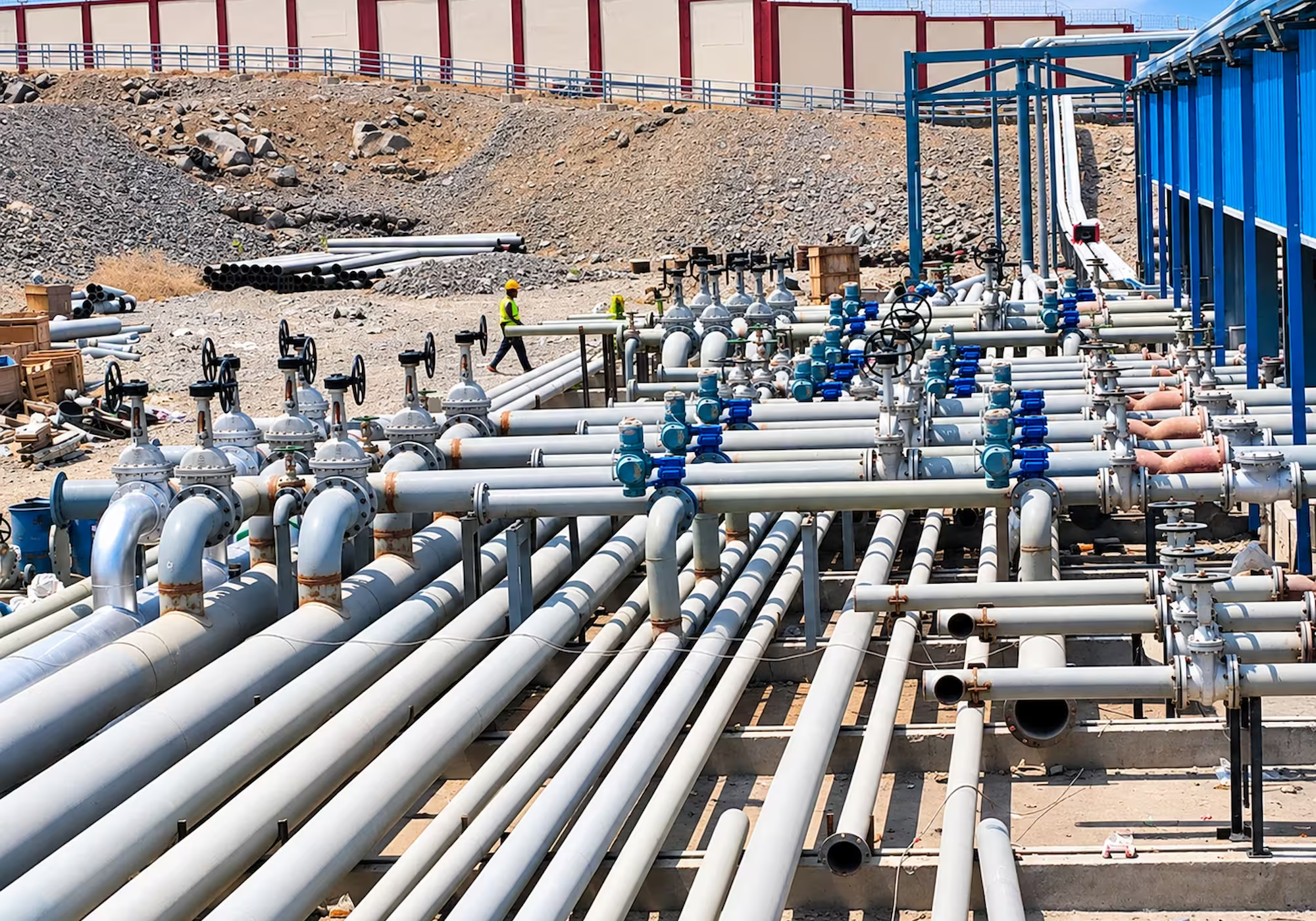
Industrial piping systems must withstand specific pressure conditions while maintaining safety, reliability and operational efficiency. Knowledge of what is hydrotesting can enable engineers and project teams determine that pipelines, new piping and pressure containing equipment are safe to operate at the conditions they are intended to. This type of testing involves the liquid pressure testing in order to determine the possible leaks and determine the integrity of the system prior to commissioning, after repair or during routine checkups.
For industrial facilities, proper testing is
essential to prevent unexpected failures and costly downtime. Professional Industrial Piping Works in Saudi Arabiashould be carefully planned, equipped with
the required equipment, and in line with the engineering standards. The
systematic testing method is also beneficial in assisting contractors like
bestincontracting to promote quality assurance, enhance reliability of
operations and make piping systems safe to deliver projects.
What Is Hydrotesting?
Hydrotesting or hydrostatic testing is a
pressure-testing technique that involves water or other suitable fluids to test
the stability and leak tightness of piping systems. It assists in detecting the
weaknesses prior to operation. Strength testing is an evaluation of pressure
bearing capacity and leak testing is an evaluation of tightness of joints and
connections. It is normally applied in pipelines, industrial networking of
piping, storage facilities and pressure-holding apparatus.
Why Is Hydrotesting Important in Industrial Piping?
Hydrotesting helps identify leaks, defective
welds and weak connections that could compromise industrial piping systems.
Hydrostatic testing of industrial pipes also determines the capability of installed
pipes to sustain at a given set pressure conditions without subjecting to
unacceptable deformation or failure.
Testing helps in quality assurance by testing
new systems installed and ensuring that completed repairs or modification where
necessary is checked. Correct testing records can be used to show evidence of
inspection, compliance and readiness, which can be utilized in commissioning
activities and the successful handover of a project.
What Is the Difference Between Hydrotesting and Pneumatic Testing?
Hydrotesting involves water or other
acceptable liquid to pressure a piping system whereas in pneumatic testing
compressed air or other appropriate gas is applied. The key distinction is
stored energy in the sense that the amount of energy that can be emitted by
compressed gas can be much greater in case of an unanticipated failure.
When comparing pneumatic testing vs
hydrotesting, engineers must consider system design, applicable standards and
safety risks. ASME B31.3 does allow pneumatic testing under certain conditions
when it is otherwise impracticable to use hydrostatic testing. But there are
other hazard evaluations, approvals and protection that have to be undertaken
before moving ahead.
What Equipment Is Required for Hydrotesting?
Successful hydrostatic pressure testing
requires suitable equipment capable of handling the specified test conditions.
To satisfy the hydrotest requirements for piping, one has to select suitable equipment and to
ensure pressure ratings. Essential items include:
·
Hydrotest
pump for controlled liquid pressurisation
·
Calibrated
pressure gauges for accurate readings
·
Pressure
relief devices to prevent excessive pressure
·
Pressure-rated
hoses and fittings
·
Isolation
valves and test manifolds
·
Temporary
blinds and test connections
·
Approved
water supply and drainage arrangements
All equipment should be inspected for
suitability, pressure ratings and serviceability before testing begins.
Step-by-Step Hydrotesting Procedure for Industrial Piping
The hydrotesting
procedure for pipelines consists of
a series of regulated steps to test the integrity of the system and determine
the possibility of leakage. The steps listed below give a learning brief of the
standard pipeline pressure testing process. Real performance should be in accordance
with approved project documentation, applicable codes and approved engineering
procedures.
1. Review Drawings and Define Test Boundaries
Check approved piping drawings, project
requirements and applicable tests standards, and begin. Determine limits of
tests, ensure the accepted pressure and time and isolate parts that are not
resistant to the described conditions to avoid damages to equipment.
2. Inspect Equipment and Prepare the Piping System
Test piping system, welds, connections and
supporting equipment prior to testing. Check pressure ratings, gauge isolation
and calibration. Ensure that the temporary blinds, valves and test connections
are acceptable in the intended conditions and methodology.
3. Fill the System and Remove Trapped Air
Fill piping system with the approved test
liquid slowly. Open specified high-point vents to get all the trapped air out.
Proper venting reduces stored-energy risks, supports accurate pressure readings
and helps prevent potentially dangerous conditions during subsequent
pressurisation.
4. Apply Pressure and Inspect for Leakage
Gradually elevate the pressure with approved
devices and adhere to the outlined testing procedure. Hold the necessary
pressure throughout the specified time. Examine available joints, connections,
and welds to detect any leaks or other visible defects without going to an
unsafe pressurised space.
5. Depressurise, Drain and Complete Documentation
Once successfully inspected, depressurise
using the approved method and ensure that the system is completely
depressurised before making connections. Dry and drain or save off the piping
to be so. Full inspection reports, pressure measurements and handover.
How Is Hydrotest Pressure Determined?
The hydrotest
pressure calculation is based on
design pressure, design temperature, test temperature, material allowable
stress and the piping code that is in use. The engineers should also take into
account pressure limitations of related components to make sure that tests do
not cause any damage or system integrity.
In the case of metallic piping, ASME B31.3
paragraph 345.4 typically provides minimum hydrostatic test pressure of 1.5 the
design pressure, with the same being subject to any stipulations and stress
considerations. This multiplier is not universal. There are various systems,
materials and standards which may need various calculations.
Hydrotesting Safety Requirements
Following appropriate hydrotesting safety
precautions helps protect personnel, equipment and surrounding facilities
during pressure testing. Safety requirements are:
·
Use approved
pressure-testing procedures
·
Have well
defined test boundaries
·
Barricade
restricted testing areas
·
Use
pressure-rated equipment and connections
·
Calibrate
pressure gauge
·
Maintain
safe personnel clearance distances
·
Follow
controlled pressurisation and depressurisation procedures
·
Provide
suitable emergency response arrangements
·
Prevent
exposure to trapped pressure
·
Install
appropriate pressure relief devices
·
Check blind
lists and isolation
·
Conduct
pre-test safety assessments
Common Hydrotesting Mistakes to Avoid
Avoiding common mistakes improves testing
accuracy, protects equipment and reduces the possibility of unexpected
failures.
·
Selecting an
incorrect test pressure
·
Failing to
remove trapped air adequately
·
Using
uncalibrated pressure gauges
·
Incomplete
isolation of connected equipment
·
Using
unsuitable pumps, hoses or fittings
·
disregarding
component pressure constraints
·
Forgetting
to drain properly following testing
·
Failing to
inspect accessible joints
·
Applying
pressure too quickly
·
Maintaining
inadequate testing records
What Documents Are Required After Hydrotesting?
Effective documentation is a statement that
testing has been done as per the approved project requirements and as per the
relevant standards. Important records include:
·
Approved
hydrotest procedure
·
Completed
pressure-test package
·
Test
boundary drawings
·
Gauge
calibration certificates
·
Pre-test and
inspection records
·
Recorded
test pressure and duration
·
Leak
inspection reports
·
Details of
defects and corrective actions
·
Test
completion certificates
·
Final
handover documentation
Frequently Asked Questions
What is hydrotesting in piping?
Hydrotesting is a type of pressure-testing
that involves the use of water or any other acceptable liquid to determine the
strength of the piping and to determine the leak tightness.
Why is hydrostatic testing performed?
It detects leakage, ensures integrity of
pressure and assists to check piping readiness prior to commissioning.
What is the difference between hydrotesting and pneumatic testing?
Hydrotesting involves the use of liquid
whereas pneumatic testing involves compressed gas that is usually more
hazardous to stored-energy.
How is hydrotest pressure calculated?
It is calculated based on design pressure,
temperature, material characteristics and a piping code that is used.
How long should a hydrotest be maintained?
Holding period varies according to the code
used, accepted project specifications and testing process.
What happens if a pipeline fails a hydrotest?
The compromised part is safely depressurised
and checked, repaired and reinspected as needed and in line with accepted
standards.
Is hydrotesting required after piping installation?
It is usually mandatory to applicable piping
systems prior to commissioning, based on governing codes and approved project
requirements.
What is included in a hydrotest report?
Test boundaries, pressure readings, duration
of test, equipment specifications, inspection results and approvals are usually
contained in a report.
Industrial Piping Installation and Testing Support in Saudi Arabia
To achieve reliable industrial piping, it is
important that the piping is installed, inspected and pressure tested to
facilitate its long-term operations. BIC offers Piping Works services to cater
to the industrial piping needs in Saudi Arabia. Professional execution assists
in quality and project compliance, starting with installation activities to
coordination of tests. Call BIC and talk about your piping project needs and
ask about appropriate installation and testing services to your facility.
Conclusion
Understanding what is hydrotesting is
essential for maintaining the safety, reliability and performance of industrial
piping systems. Since equipments are ready and pressure is chosen to pressure,
through inspection and documenting each stage brings out the possible flaws
prior to commissioning. Using approved procedures, and relevant standards,
reduces the risk, safeguards equipment and provides assurance that piping is
sound.
Proper planning, suitable testing equipment
and qualified personnel make a significant difference in achieving reliable
results. In the process of installing new pipelines or testing the repairs
made, professional testing helps to ensure safer operations and successful
handovers. Selecting qualified contractors to carry out industrial piping
projects assists companies to uphold quality and efficiency of their operations
whilst fulfilling project needs.