

Industrial projects in Saudi Arabia depend on a steady supply of materials to keep construction, installation, maintenance, and operational activities moving according to schedule. Material Supply for Industrial Projects involves much more than simply purchasing and delivering products. It requires proper sourcing, quality verification, logistics coordination, inventory planning, and timely delivery to the project site.
For companies looking for dependable Project Materials Supply Saudi Arabia, selecting an experienced supplier can make a significant difference. Industrial projects often involve strict specifications, demanding schedules, large quantities, and multiple material categories. A reliable supply partner helps businesses manage these requirements while reducing the risk of material shortages, quality issues, and unnecessary project delays.
Why Is Reliable Material Supply Important for Industrial Projects?
Industrial projects typically operate according to detailed schedules. Delays in one activity can affect several other stages of the project. If essential materials are unavailable when required, workers and equipment may remain idle, increasing project costs.
Reliable material supply helps project teams maintain continuity by ensuring that required products reach the site according to the planned schedule.
A dependable supplier can support projects through:
- Consistent material availability
- Timely delivery to project locations
- Quality-controlled products
- Proper documentation
- Competitive sourcing
- Bulk material procurement
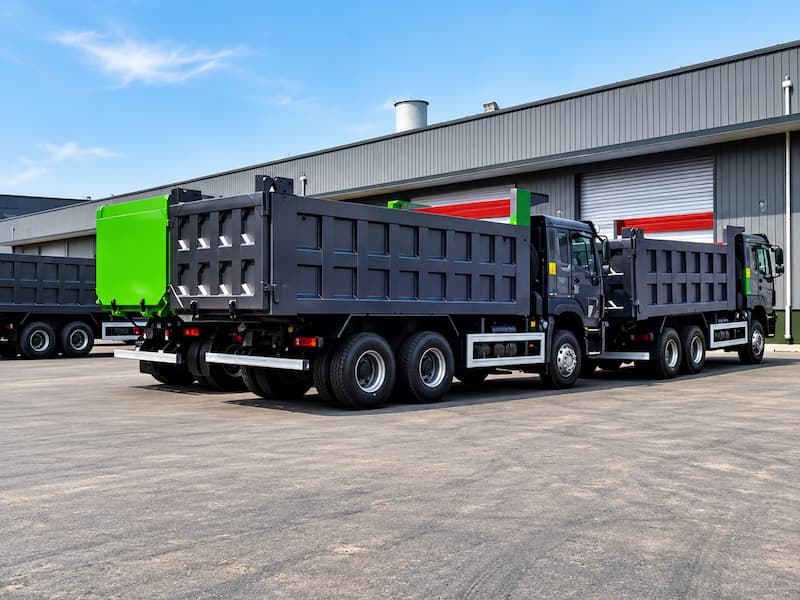
- Logistics and transportation coordination
- Support for urgent requirements
This becomes particularly important for large industrial developments where materials may need to be delivered to different locations across Saudi Arabia.
What Materials Are Commonly Required for Industrial Projects?
Industrial projects can require a broad range of products depending on the type, size, and technical requirements of the project. A professional supplier should have access to multiple categories of industrial and project materials.
Common requirements may include:
Construction Materials
Industrial construction projects frequently require structural and general construction materials. These can include steel products, pipes, fittings, fasteners, cement-related products, insulation materials, and other construction essentials.
Mechanical Materials
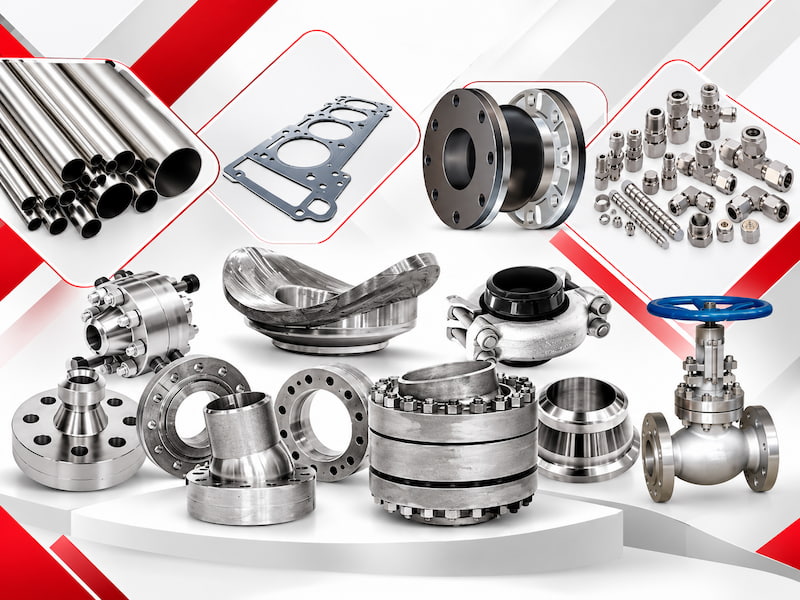
Mechanical installations may require valves, pumps, pipes, fittings, gaskets, mechanical components, and other equipment-related materials. Specifications can vary significantly between projects, making accurate sourcing important.
Electrical Materials
Industrial facilities require a wide range of electrical products for power distribution, control systems, lighting, and equipment connections. Depending on project requirements, suppliers may source cables, cable accessories, electrical components, panels, and related products.
Safety and Site Materials
Industrial worksites also require safety and operational supplies. These may include personal protective equipment, safety accessories, warning products, barriers, signage, and other site requirements.
Specialized Project Materials
Some projects require materials with specific technical specifications, certifications, dimensions, grades, or performance characteristics. Experienced suppliers can help project teams identify and source these specialized requirements.
What Should Businesses Look for in a Material Supplier?
Choosing a supplier based only on price can create problems later. Businesses should evaluate several factors before selecting a company for Project Materials Supply Saudi Arabia.
1. Product Availability
A supplier should have access to the materials required by the project. Strong supplier networks can make it easier to source products that are not immediately available from local inventory.
2. Quality and Specifications
Industrial materials must meet the specifications established by the project. Businesses should verify product grades, dimensions, technical specifications, applicable standards, and supporting documentation before accepting materials.
3. Delivery Capability
Delivery performance is particularly important for projects operating under strict schedules. A supplier should have the logistics capability to coordinate deliveries based on project requirements.
4. Sourcing Network
A strong sourcing network can provide access to multiple manufacturers, distributors, and product categories. This can be useful when projects require large quantities or specialized materials.
5. Documentation
Industrial procurement often involves documentation such as quotations, invoices, technical information, certificates, inspection records, and delivery documentation. Proper documentation helps project teams maintain procurement records and verify compliance with requirements.
6. Experience With Industrial Projects
Suppliers familiar with industrial procurement generally understand the importance of specifications, deadlines, quantities, packaging, transportation, and site coordination.
How Does Project Material Supply Work in Saudi Arabia?
The material procurement process usually begins when the project team identifies its requirements. These requirements may come from drawings, specifications, bills of quantities, material schedules, or procurement plans.
The supplier then reviews the requirements and identifies suitable products and sources.
A typical process may include:
Requirement Identification → Product Sourcing → Quotation → Technical Verification → Purchase → Quality Checking → Logistics → Site Delivery
Each stage plays an important role in ensuring that the correct materials reach the project at the right time.
For large projects, procurement may be divided into several delivery schedules instead of sending everything at once. This can help project teams manage storage requirements and coordinate materials with construction activities.
How Can Reliable Suppliers Help Reduce Project Delays?
Material-related delays can happen for several reasons, including limited availability, incorrect specifications, transportation problems, supplier issues, or poor procurement planning.
An experienced supplier can reduce these risks by communicating clearly with the project team and planning procurement in advance.
For example, if a particular product has a long lead time, the supplier can identify the requirement early and coordinate sourcing before the material is urgently needed.
This approach allows project managers to plan deliveries more effectively and avoid last-minute procurement challenges.
Why Is Local Knowledge Valuable for Saudi Arabian Projects?
Saudi Arabia has a large and geographically diverse industrial market. Projects can be located in major industrial and commercial areas as well as remote project sites.
Local market knowledge can therefore be valuable when arranging Material Supply for Industrial Projects.
A supplier familiar with the Saudi market may have better knowledge of:
- Local sourcing channels
- Industrial project requirements
- Transportation arrangements
- Supplier networks
- Delivery locations
- Product availability
- Procurement timelines
This knowledge can help businesses coordinate their material requirements more efficiently.
How Can Businesses Manage Material Supply Costs?
Cost management is another important part of industrial procurement. Businesses should consider the complete procurement cost rather than focusing only on the initial product price.
Factors such as transportation, packaging, storage, lead times, minimum order quantities, and delivery schedules can influence the overall cost.
Bulk purchasing may provide cost advantages for certain products, while scheduled purchasing can reduce unnecessary storage expenses.
A reliable supplier can work with project teams to identify practical procurement strategies based on quantities, deadlines, and project requirements.
What Makes a Project Materials Supplier Reliable?
Reliability comes from consistent performance rather than a single successful delivery. Businesses should look for suppliers that demonstrate clear communication, dependable sourcing, quality control, organized logistics, and the ability to respond to changing project requirements.
A reliable supplier should also communicate potential delays or sourcing challenges early instead of waiting until the delivery deadline approaches.
This transparency allows project managers to make alternative arrangements when necessary.
Conclusion
Reliable material procurement is an important part of successful industrial project execution in Saudi Arabia. From construction and mechanical products to electrical, safety, and specialized materials, every project may have different sourcing requirements.
Businesses searching for Project Materials Supply Saudi Arabia should consider suppliers based on product availability, quality, documentation, sourcing capabilities, logistics, delivery performance, and industrial project experience.
Choosing the right supply partner can help project teams maintain material availability, improve procurement planning, reduce avoidable delays, and keep project activities moving according to schedule. For companies managing industrial developments across Saudi Arabia, a dependable Material Supply for Industrial Projects partner can become an important part of the overall project supply chain.